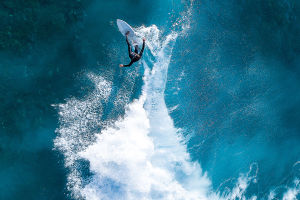
The first time I stood on a surfboard, the ocean felt like it had its own personality—playful, unpredictable, and a little intimidating. The salty spray hit my face, and the gentle roar of the waves reminded me how small I was. Surfing isn't just a sport; it's a conversation with nature.
If you're ready to step onto the board and catch your first wave, this guide will break it down into practical steps that actually work.
Choosing the Right Board
Picking the correct surfboard makes the difference between a fun session and endless frustration. Beginners usually start with boards that are longer and wider, as they provide more stability.
Tips for picking your first board:
Opt for a soft-top board around 8–9 feet long—soft foam reduces the risk of injury.
Look for extra width, around 22–24 inches, to help balance your weight.
Consider rental options at the beach first; it lets you test different sizes before buying.
A soft-top board makes the initial learning curve less punishing. You'll find it easier to paddle, catch waves, and even fall safely.
Mastering the Paddle
Paddling is more than just moving forward—it's how you read waves and position yourself for the ride. Proper technique helps conserve energy and ensures you're in the right spot when a wave comes.
Step-by-step paddle guidance:
Lie flat on the board with your chest slightly lifted.
Extend your arms fully and enter the water with fingertips first to avoid splashing.
Use long, even strokes and keep your hands cupped slightly for maximum push.
Practice in calm waters first. Being comfortable on your board without waves builds confidence and muscle memory for when real waves arrive.
Learning the Pop-Up
The pop-up is the motion from lying on the board to standing. Timing, speed, and balance are key. Without it, even catching a wave feels impossible.
Pop-up practice:
Start on the sand. Lie on your board and practice moving your hands under your chest to push yourself up.
Place your feet where your knees naturally land and rise quickly in one motion.
Keep your knees bent and arms out for balance, eyes looking forward.
Repetition on land makes the transition to the water smoother. Even a few minutes daily will noticeably improve your stability.
Reading the Waves
Understanding how waves behave is critical. Not all waves are meant for beginners, and positioning determines whether you ride or wipe out.
Wave reading basics:
Observe the wave patterns from the shore; smaller, rolling waves are best for practice.
Note the intervals between waves—this helps you anticipate the right moment to paddle.
Position yourself just beyond where waves break gently, not in the crashing zone.
Patience is key. Sometimes, waiting for the perfect set of waves teaches more than rushing into every single one.
Safety and Ocean Awareness
Respecting the ocean keeps you safe and improves your experience. Even small waves can cause injuries if you're not mindful.
Safety guidelines:
Always check for rip currents and avoid swimming alone.
Keep a leash attached to your board to prevent losing it.
Know your limits—don't attempt waves beyond your skill level.
A short safety check before entering the water ensures that your learning process stays fun and stress-free.
Consistency and Small Wins
Surfing isn't learned in a single session. Progress comes from repeated practice, observation, and small adjustments. Every attempt teaches you about timing, balance, and patience.
Ways to stay consistent:
Schedule short daily sessions, even 30 minutes, instead of rare long ones.
Record or have a friend film your sessions to spot improvement areas.
Celebrate small achievements—standing for a few seconds is already progress.
By focusing on incremental improvements, you'll feel a sense of mastery sooner than expected. Surfing becomes more about flow than forcing performance.
Each moment on the board brings a new lesson. Sometimes it's balance, sometimes patience, sometimes just laughing at a wipeout. The ocean teaches in its own rhythm. Start small, stay mindful, and enjoy each wave—because those first rides aren't just about learning to surf, they're about discovering your rhythm with nature. Next time you head to the beach, try standing up one more time and notice how each attempt brings you closer to the ride you've been chasing.