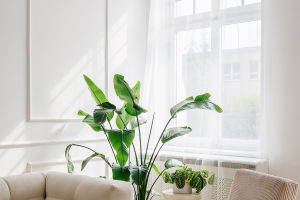
Even indoor plants need proper nutrition to thrive. Without the right nutrients, houseplants may struggle with weak growth, dull leaves, or fewer blooms.
While water, light, and quality potting mix are essential, fertilizer completes the care routine for strong, healthy plants.
Understanding what to feed, when, and how ensures your indoor greenery flourishes year-round.
Why Fertilizer Matters
- Fertilizer replenishes nutrients that plants use up as they grow or lose through watering. Even premium potting mixes eventually become depleted, which can lead to stunted growth if not corrected.
- Essential macronutrients include nitrogen (N) for lush green leaves, phosphorus (P) for strong roots and vibrant flowers, and potassium (K) for overall plant health. Balanced plant food ensures these elements are delivered in the right proportion.
Types of Houseplant Fertilizer
- Liquid fertilizers are ready to use and applied directly to the soil, typically every 1–2 weeks depending on the label. They are absorbed quickly and are ideal for plants that need a nutrient boost.
- Water-soluble fertilizers are mixed with your watering routine, combining hydration and nutrition. This method saves time and ensures nutrients reach the soil evenly.
- Fertilizer stakes release nutrients slowly over several weeks, providing long-term feeding with minimal intervention. They are perfect for busy plant owners or slow-growing species.
When to Fertilize
- Houseplants grow most actively from spring through early fall, making this the ideal period for feeding. During winter, most plants naturally slow growth and require minimal nutrition.
- Newly potted plants in nutrient-rich compost should wait 4–6 weeks before additional feeding to prevent nutrient overload.
How to Fertilize Correctly
- Always follow the directions on the fertilizer label for the proper amount and frequency. Overfertilizing can cause yellowing leaves, brown edges, leaf drop, or root damage.
- Morning is the best time to feed plants, allowing them to absorb nutrients before the day's heat accelerates evaporation. Water after applying fertilizer unless using water-soluble formulas that already include hydration.
Foliar Feeding
- Some water-soluble fertilizers can be applied directly to leaves. Foliar feeding allows nutrients to be absorbed quickly, supporting fast growth or enhanced flowering.
- Tropical plants like monstera, calathea, or ferns benefit most from foliar feeding, especially in high humidity, mimicking their natural rainforest conditions.
Common Questions
- Most houseplants should be fertilized every 1–2 weeks during active growth periods. Avoid feeding in winter unless the plant grows or blooms during colder months.
- Liquid and water-soluble fertilizers provide faster results, while stakes deliver slow, long-term nutrition. Choose according to your plant type and care schedule.
- Overfertilizing can occur if plant food is applied too often or in excess, leading to leaf burn, yellowing, or root damage. Follow instructions closely to prevent this.
- Newly potted houseplants in fresh compost with fertilizer can wait a month or more before feeding to avoid excess nutrients.
Summary
Feeding houseplants correctly is key to maintaining lush, vibrant, and healthy indoor plants. By choosing the right fertilizer, applying it at the right time, and monitoring plant growth, you can ensure your indoor greenery thrives. Whether using soil-based or foliar methods, consistent care rewards you with strong stems, glossy leaves, and long-lasting blooms. With this approach, your houseplants will flourish, turning your home into a green, lively sanctuary. 🌱